
“We were hoping that he would be the one to redeem Israel.” That was the telling quote by Cleopas in today’s gospel. The unspoken message was the despair Cleopas and his companion expressed as they walked from Jerusalem to Emmaus. When Jesus died, all the hopes they had for Jesus also died. They now believed their hopes were pinned on a mistake. Jesus was dead. That is what they knew now. That was their reality.
Of course, Cleopas and his companion did not know it was the Risen Lord who now walked with them, asking them to explain their downcast look. Jesus listened so patiently to them while they explained what had taken place over the weekend in Jerusalem. They marveled at the ignorance of this stranger asking them questions, when it was actually their ignorance and despair that blinded them to the fact that it was Jesus himself who was with them. What an irony! These walking companions were unaware that the Jesus they presumed dead and gone is more alive and present than they could imagine.
Luke offers this resurrection story in the context of a journey from Jerusalem to Emmaus. The two walking companions are disciples of Jesus. They followed him through the climactic week of his Passion – all the way to his death on the cross. It was a death that crushed the life out of their hope, just as surely as it crushed the life out of Jesus’ body on a Friday we now call “good.” It was a day these two disciples must have moved around as in a trance given their pain and loss – like family members and close friends of any person who dies suddenly or tragically.
And then comes Saturday. The day when the mind begins to awaken to the awful reality of grief. For some of us who know grief, Saturday can last hours or months. It is the time when the shock begins to wear off, and the full throbbing pain of grief and loss begins to set in. Saturday is an awful time, the inevitable period of suffering that follows the initial shock of loss. It is the time when all the flowers have wilted, the well-wishers have gone home, the house falls silent, and you are left alone with your loss and your thoughts for the first time, trying to figure out how to get on with the rest of your life.
But then it was Sunday. Sunday represents the time in the cycle of grief when you decide how to live after your loss. For most of us, this time is several months to a year after the initial death of a loved one. If a person is ever to live after a devastating loss and not get permanently stuck in the clothes of mourning, there comes a time to move on. That time was Sunday for Cleopas and his friend. Sunday was the day they decided there was no use hanging around Jerusalem for everything they had hoped for had died on Calvary. There was nothing left for them in Jerusalem. And so, they headed for Emmaus.
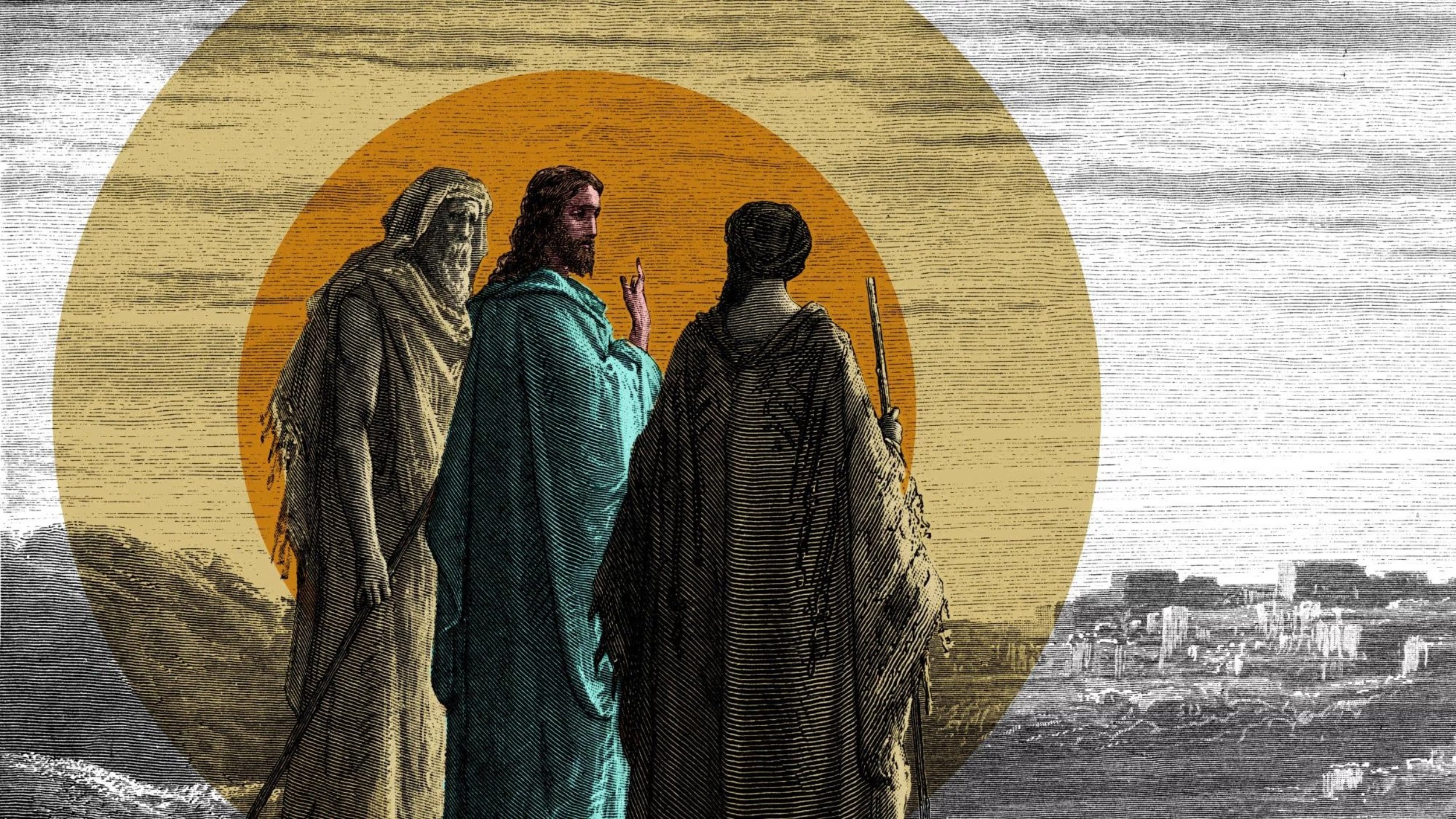
But, where is Emmaus? Luke tells us that it was a small village about seven miles from Jerusalem. That is all we know. From a geographical point of view, we do not know for sure where this village was. But perhaps it is better to ask what Emmaus represents to Cleopas and his friend, rather than search the maps for its location. Emmaus may be a more important place on the geography of the heart than on the geography of Palestine. So, where is Emmaus? Where on the map of the soul is Emmaus?
Frederick Buechner, a noted pastor and theologian, speculated that Emmaus is the place where we go when hope dies, when pain is too great, when faith cannot imagine a new future anymore. For some, Emmaus is a place by the lake where you go to get away from it all. For others, Emmaus could be a trip to the mall or finishing off a quart of ice cream while mindlessly watching TV. Sadly, for some, Emmaus may be an escape with a bottle of gin or a handful of pills. Emmaus need not be a sinister or permanent place of escape, but it still represents that place we run to when life deals us more than we can bear. Everyone has an Emmaus. What, or where, is yours?
But if Emmaus is where we go when hope dies, the resurrection is the story of how we get back from Emmaus. Jesus did not join Cleopas and his friend on their trip to Emmaus in order to scold them for their despair – but to rescue them from it. In the silent compassion of listening, in the unfolding of the insights from scripture, and finally in the breaking of bread, they recognized Jesus. And having recognized the Risen Lord, these two washed-up disciples found new wind in their sails, and they hastened back to rejoin the others in Jerusalem. You have to imagine that their trip back to the city seemed shorter than the long trek away earlier in the day? Hope is that way. Hope puts wings on our feet, smiles in our hearts, and sends us back into life, with all its mess and darkness, believing still in the future that God is bringing to life.
Do you find yourself stuck in Emmaus today? The Risen Lord is closer than you think!
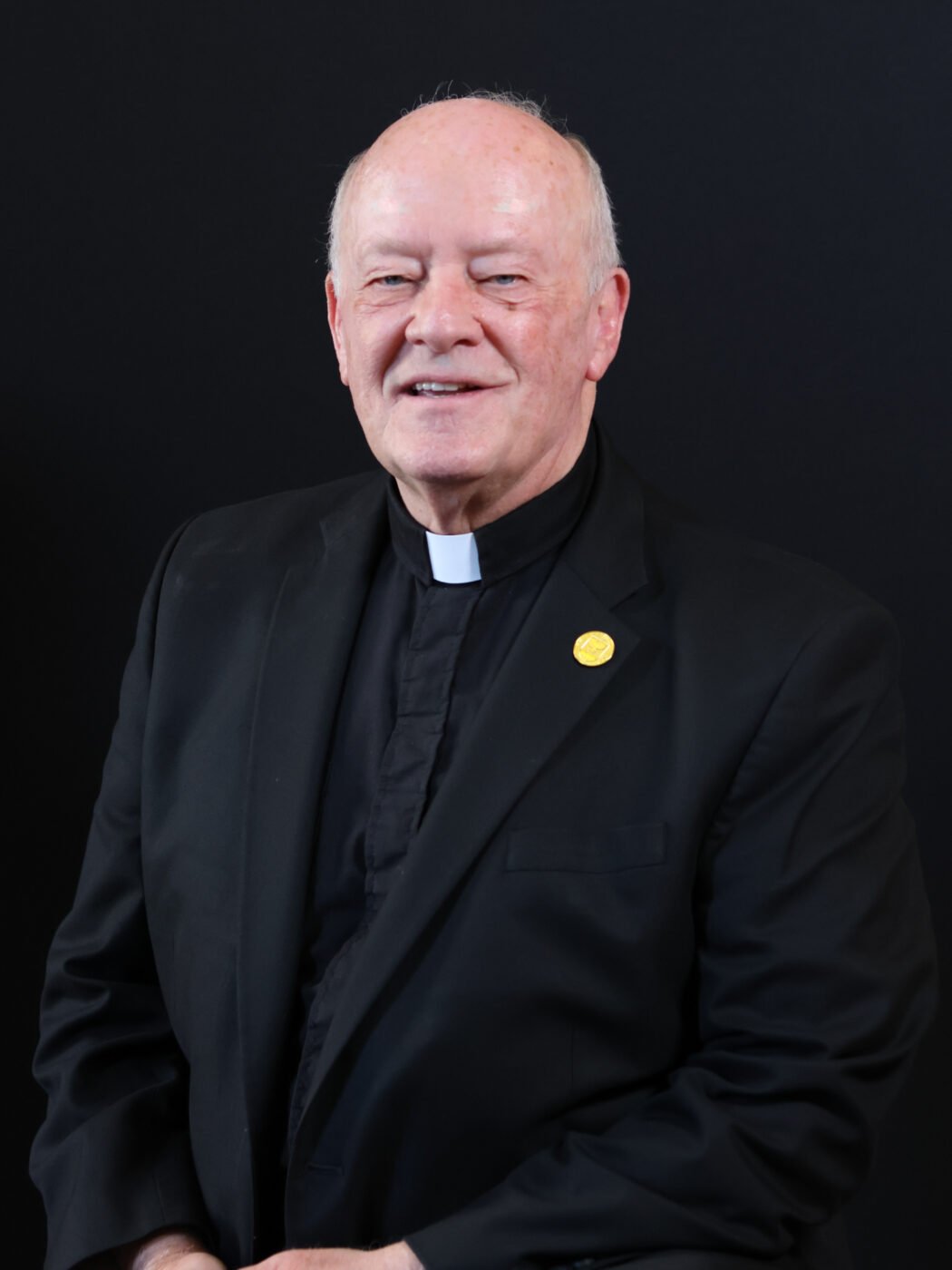
Rev. Frank J. Silva
Saint John’s Seminary College, A.B., 1972
Saint John’s Seminary, M.Div., 1976
Creighton University, M.A., 1986
Profile See all posts© 2026 All Rights Reserved
Site by 