
"Rejoice in the Lord Always"
The Entrance Antiphon at Mass for this Third Sunday of Advent is from St. Paul’s Letter to the Philippians: “Rejoice in the Lord always ….” We are looking forward to celebrating Christmas, as this busy and eventful Season of Advent moves quickly toward its close. Yes, we want to rejoice in the Lord especially at Christmas, but perhaps one word may give us pause - “always.” St. Paul says to rejoice in the Lord always. It’s easy to rejoice when things are going well, when we are prosperous and comfortable, but what if things are not going well? Is it possible to rejoice always?
Isaiah and John the Baptist are two prominent figures in the readings of Advent, including our readings today. They are both good models for how to live with faith and joy, even when life is difficult. Isaiah lived during an era of much suffering for the people of Israel, brought upon them by the cruel Assyrian empire. Yet, despite their sufferings from the Assyrians, Isaiah called the people to trust in God, who would act to bring about a renewal of their hearts in faith, hope, and love - they would be like flowers blooming in the desert.
John the Baptist had been calling people to repent and to prepare for the coming of the Messiah. But he was imprisoned for speaking out about King Herod’s adultery, and now his faith was being tested in prison. He asks if Jesus is “the one who is to come, or should we look for another?” Perhaps he was wondering if his life’s work had all been worth it. Jesus responds with a message of encouragement: “the blind regain their sight, the lame walk ….” These healings by Jesus were signs of the arrival of the Messiah that had been prophesied by Isaiah.
John did not ask to be freed from prison (although perhaps he did at another time). What was most important to him was whether Jesus was the Messiah to whom he had dedicated his life, preparing the people for his arrival. While enduring his suffering in prison, he needed to know if it was all worth it. Jesus invites John to see and hear the evidence that the Messiah had indeed arrived; if John were to die in prison, at least he would have seen that God’s promise to His people had been fulfilled.
Not all of God’s promises will be fulfilled in this life. Isaiah and John the Baptist and all the saints knew that their hopes were ultimately placed in eternal life. Yet, the beginning of that eternal life is in this life, when we are freed from our sins in baptism and the sacraments, and are given the gifts of faith, hope, and charity so that we can journey to the promised land of heaven. The Child Who was born in Bethlehem came to save us and open the gates to eternal life. God almighty left His throne in heaven to come close to His people, even to become one of us, in order to save us. He calls us to follow Him in love.
There is a certain amount of happiness for us when life is pleasant and prosperous. But no earthly happiness can compare with the knowledge that God has come close to us in the Person of Jesus. He is Emmanuel, “God with us.” So, we can rejoice always, even in the midst of suffering, when we trust that God keeps his promises and does not abandon us. “Rejoice in the Lord always; again I say, rejoice. Indeed, the Lord is near.”
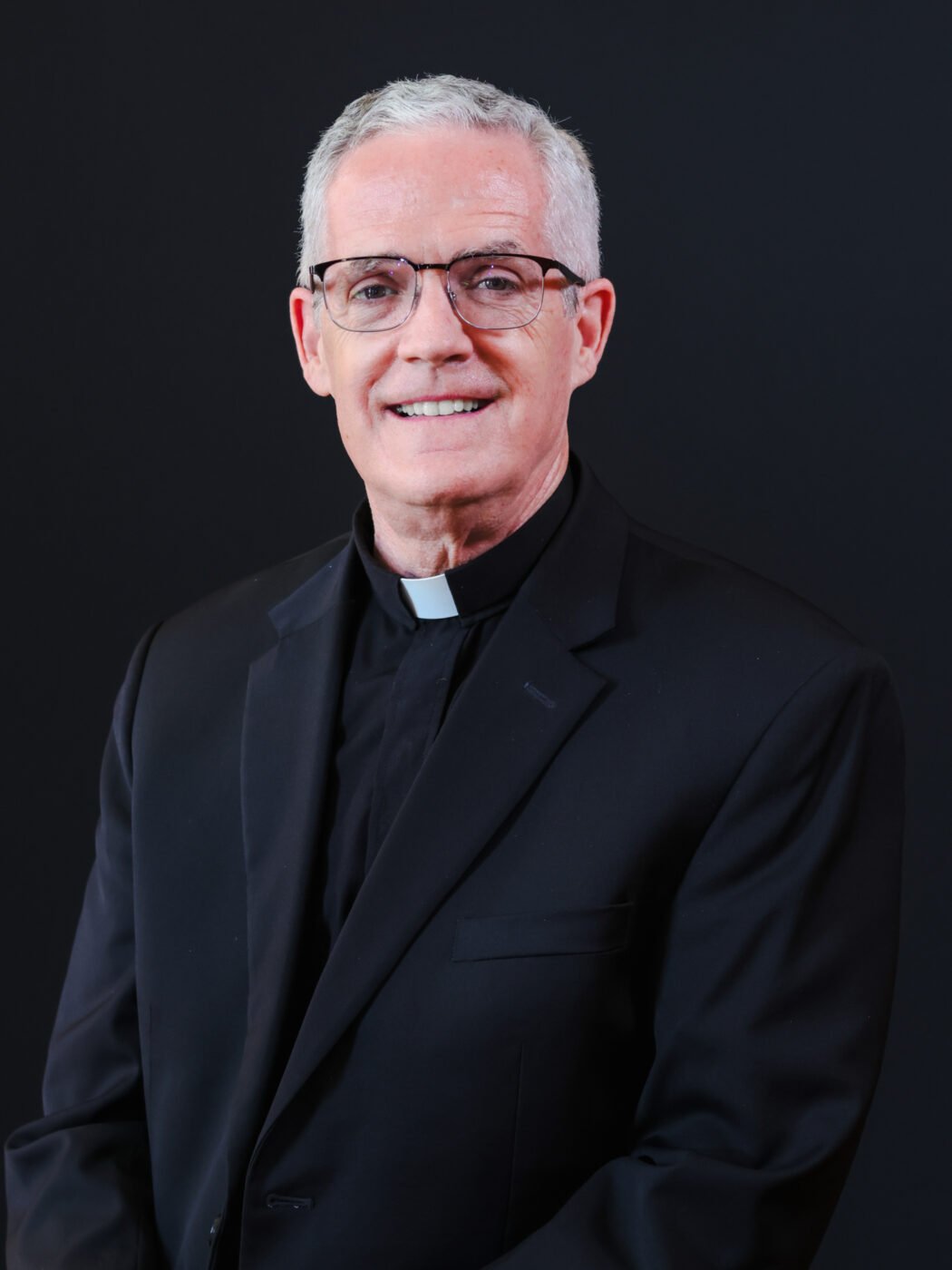
Rev. Paul Sullivan
Magdalen College, B.A., 1984
Pope St. John XXIII Seminary, M.Div., 2008
Profile See all posts© 2026 All Rights Reserved
Site by 