According to the Universal Norms on the Liturgical Year, no. 43, in the Romal Missal, “Besides the times of the year that have their own distinctive character, there remains in the yearly cycle thirty-three or thirty-four weeks in which no particular aspect of the mystery of Christ is celebrated, but rather the mystery of Christ itself is honored in its fullness, especially on Sundays. This period is known as Ordinary Time.” As you will notice this year, the Gospel reading on Sundays during this time is taken from St. Matthew. You will also notice that the first reading will almost always have some connection with the Gospel. The second reading while not necessarily following the other two readings, will mostly progress (as with the Gospel) sequentially, by chapter order.
Hence, on this Third Sunday in Ordinary Time, the prophesy of Isaiah in the First Reading is quoted by St. Matthew in the Gospel. Isaiah prophesied that Zebulun and Naphtali, the lands degraded by the Lord, would at the end be glorified and be the first to see the great light of God’s salvation. Jesus today fulfills that prophecy, proclaiming the restoration of David’s kingdom in the region of Zebulun and Naphtali, the exact place where the kingdom of Israel began to fall, eight centuries before Christ as we read in 2 Kgs 15:29; 24:14; 1 Chr 5:26.
“Repent, for the kingdom of heaven is at hand” is Jesus’s preaching today. He preaches of the restoration and inauguration of a kingdom that encompasses both the house of Israel and all the nations, symbolized as the “Galilee of the Gentiles.” He calls His first disciples to be fishers of men, to gather people from the ends of the earth. Their mission to preach the Word of God continues Isaiah’s prophecy fulfilled in Jesus Christ, that “the people who sit in darkness have seen a great light, on those dwelling in a land overshadowed by death light has arisen.” They are “to preach the gospel…not with the wisdom of human eloquence,” St. Paul attests in the Second Reading. For the power of the gospel rests not in the eloquence of the preacher, but in the Cross of Jesus Christ. The messenger is to preach the message as to move hearts by speaking of Christ crucified in clear and simple terms, in truth and love.
This is our task as well today. Whatever state of life we find ourselves, we are to fulfill the prophetic mission of Jesus Christ by evangelization, by preaching and proclaiming Christ crucified by word and by the testimony of our lives. It becomes a witness of life, and as the Catechism of the Catholic Church puts it, “This witness of life, however, is not the sole element in the apostolate; the true apostle is on the lookout for occasions of announcing Christ by word, either to unbelievers…or to the faithful” (no. 905).
For us in seminary formation, being configured to act in persona Christi Capitis – in the person of Christ the Head, it is important to remember that the ministerial duty to teach, munus docendi, offer the priest the grace to live a life of witness, dedicated to proclaiming Christ crucified. It authorizes the priest to preach the gospel of repentance, leading the people of God out of darkness, to turn away from the darkness of sin toward the great light of God and His kingdom; to navigate the confusions of our world today and make choices that lead all to salvation.
In his Wednesday General Audience at St Peter’s Square, in April of 2010, Pope Benedict XVI, reflecting on the priest’s configuration to Christ through the exercise of the three munera, especially munus docendi, said: “Today, in the midst of the educational emergency, the munus docendi…is particularly important. We are very confused about the fundamental choices in our life and question what the world is, where it comes from, where we are going, what we must do in order to do good, how we should live.” He said that it is the function of the priest to make present “in the confusion and bewilderment of our times, the light of God’s Word, the light that is Christ himself in this our world. Therefore the priest does not teach his own ideas, a philosophy that he himself has invented…the priest does not speak of himself, he does not speak for himself, to attract admirers…or create a party of his own; he does not say his own thing, his own inventions but…the priest teaches in the name of Christ present, he proposes the truth that is Christ himself, [because he has been configured to Christ as Head and Shepherd].” Hence, the priest, as a pastor/shepherd of souls (as well as the priest-to-be), is one who is proactively and kindly leading the flock in his pastoral care into the way of salvation while acting in persona Christi Capitis. It is a witness of life, a commitment for life to proclaiming the joy of the Gospel either to unbelievers or to the faithful, in clear and simple terms, in truth and love.
In his motu proprio titled Aperuit illis of September 30, 2019, Pope Francis proclaimed that “the Third Sunday in Ordinary Time is to be devoted to the celebration, study, and dissemination of the Word of God. This Sunday of the Word of God will thus be a fitting part of that time of the year when we are encouraged to strengthen our bonds with the Jewish people and to pray for Christian unity….A day devoted to the Bible should not be seen as a yearly event but rather a year-long event, for we urgently need to grow in our knowledge and love of the Scriptures and of the risen Lord, who continues to speak his word and to break bread in the community of believers.”
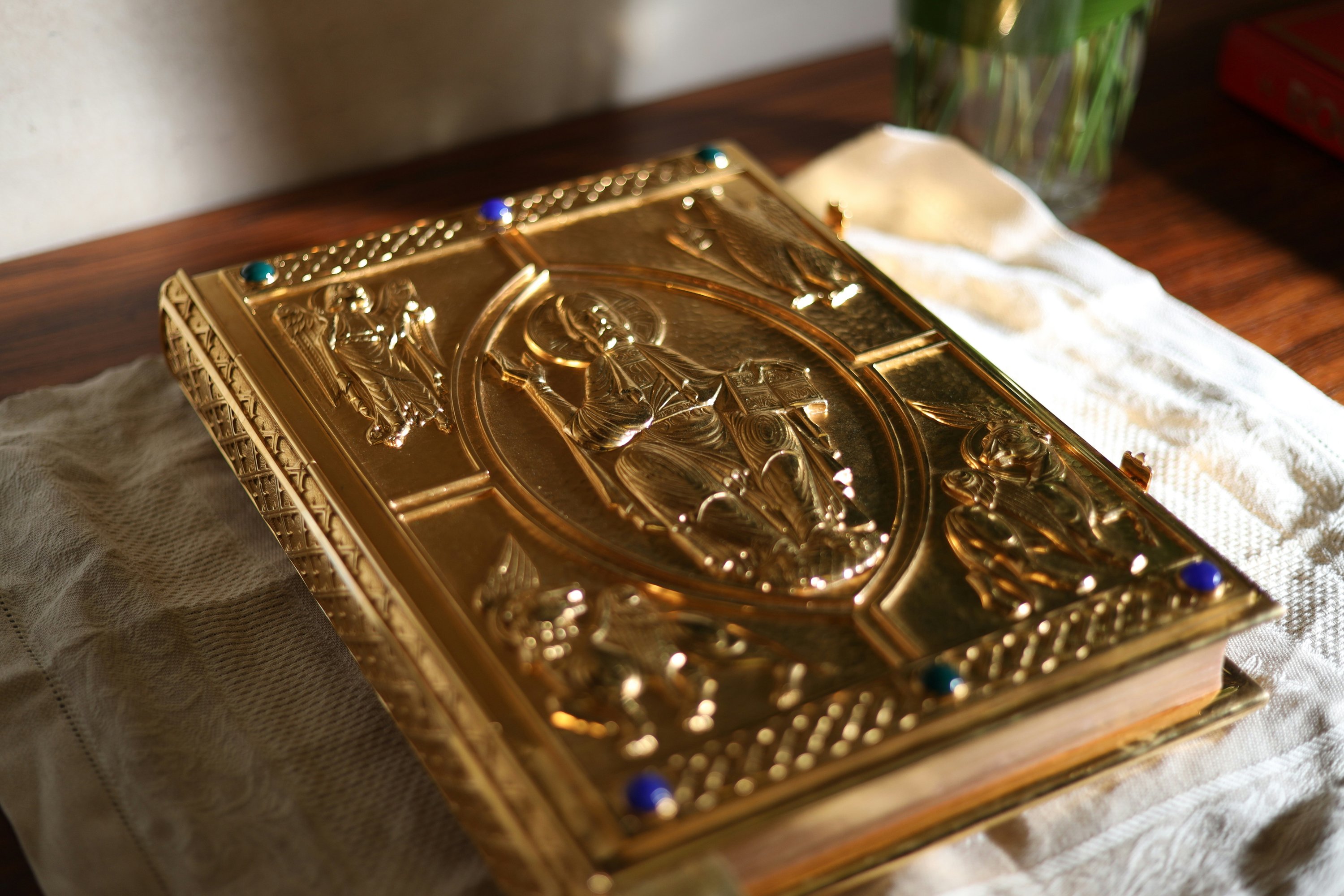
On this Third Sunday in Ordinary Time, the Sunday of the Word of God, we pray that God continues to grant us the grace to persevere in the mission of the Church to passionately, in truth and love, preach “Repent, for the kingdom of heaven is at hand,” to both unbelievers and the faithful, to the house of Israel and the “Galilee of Gentiles,” to those who sit in darkness, so that all will see God’s great light.
As we now or in the near future respond to the words of our Lord to proclaim the truths of the gospel, as “fishers of men,” we ask for the grace to live out our vocations for the sake of the people of God under our pastoral care by kindly exercising the munus docendi, teaching the Truth that will lead all out of the darkness of sin toward the great light of God and His kingdom.
The Lord has entrusted a great task to us, to be heralds of His Word, of the Truth that saves; to be His voice in the world to bring what serves the true good of souls and leads to the path of salvation. May His grace and presence guide us as we live out our vocations, witnessing to the Word of God, the Light of the world for the salvation of all, Amen!
Thank you for your vocation!
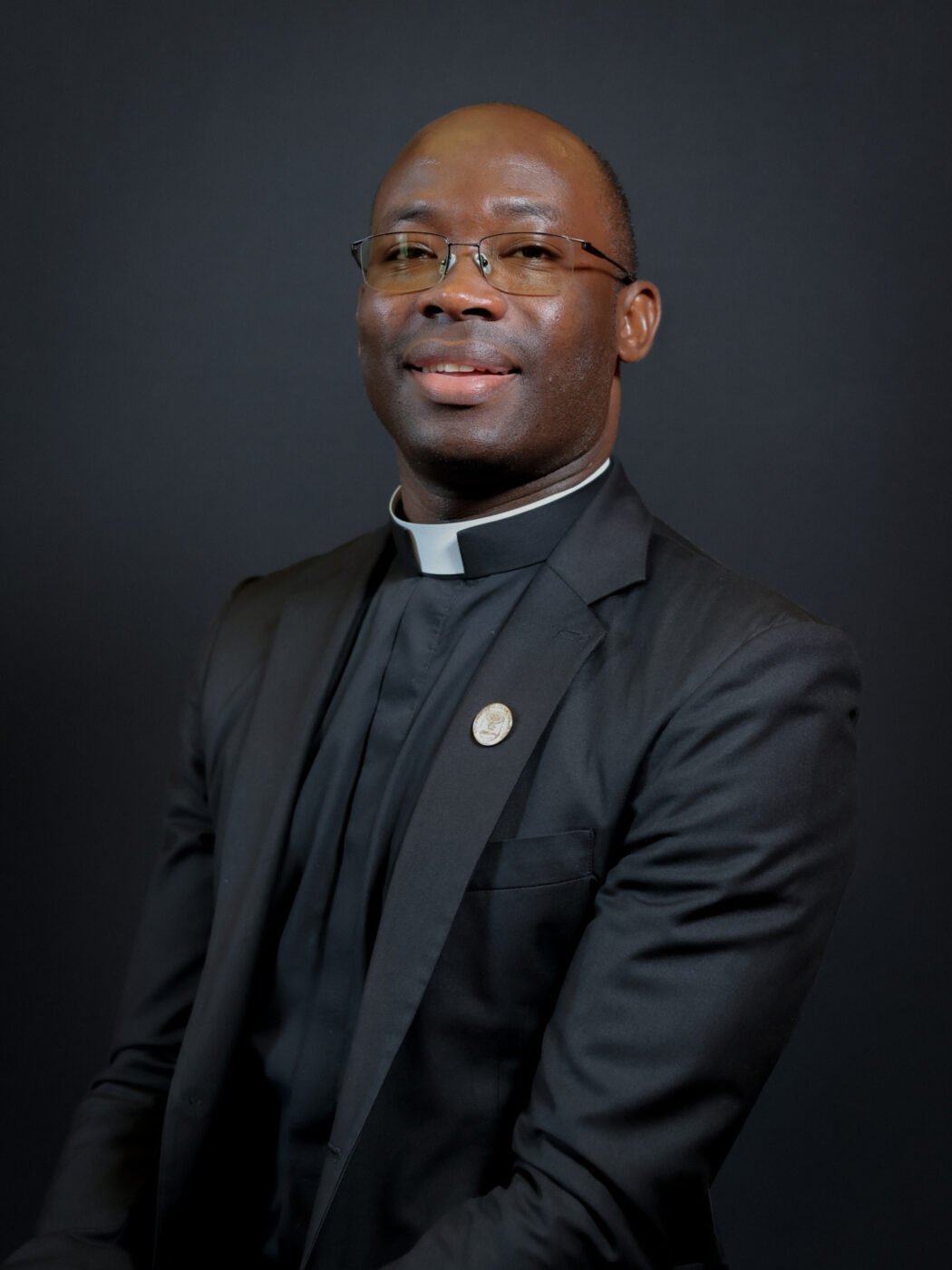
Rev. Stanislaus Achu
St. Joseph Major Seminary, B. Phil., 2015
Saint John’s Seminary, M.Div., 2020; S.T.B., 2020
Boston College School of Theology and Ministry, S.T.L., 2024
Profile See all posts© 2026 All Rights Reserved
Site by 