
The word of the day is áphesis (ἄφεσις), the Greek word for forgiveness. In the Scriptures, áphesis means “release,” “letting go,” or “remission,” especially release from the debt and bondage of sin. Thus, the biblical Greek idea of forgiveness is not merely ceasing to feel resentment. It is releasing a person from guilt, debt, or bondage, through God’s merciful and gratuitous gift in Jesus Christ.
Forgiveness is best understood as an expression of God’s eternal mercy and love. God does not forgive because His attitude changes from hatred to kindness, nor because He overlooks evil. Rather, His unchanging goodness acts mercifully toward sinners who turn back to Him. In forgiveness, God shows mercy and takes pity on us and desires our conversion, not our destruction. His forgiveness is unmerited, it is grace, it is God’s free gift, not something any of us can compel by our own efforts and merit. His forgiveness is remission, release and restoration, where He forgives in order to re-establish communion and covenant friendship, not merely to erase a record of guilt. In His forgiveness, justice is perfected by love, for divine forgiveness does not deny the seriousness of sin, it heals the disorder caused by sin and restores right relationship.
Scriptures present God as one who does not deal with us according to our sins, and who removes iniquity, heals, and restores. Forgiveness is therefore not mere cancellation of a legal debt: God restores His Image in the human person He created. He restores the sinner to the condition of being loved by Him. He restores the relationship damaged by sin.
In the Gospel today, Peter asks Jesus how often he should forgive if another sins against him. Jesus’s response is: “I say to you, not seven times but seventy-seven times.” In ancient Judaism, one is only required to seek for forgiveness three times, but Peter, feeling generous, and perhaps seeking to be perfect, increases this requirement to seven. But notice how Jesus multiplies the requirement. The point is that you do not need to keep a tally of how many times someone has offended you and asked for forgiveness. You cannot reduce forgiveness to a number; it is not something that we dispense until it runs out. As often as they offend and ask for forgiveness, you are to forgive. We are called to limitless forgiveness and mercy, for as God does not deal with us according to our sins, we are called to do the same.
If out of vengeance we withhold forgiveness, the First Reading from the Book of Sirach lays out for us what is at stake. “Forgive your neighbor’s injustice; then when you pray, your own sins will be forgiven.” Sirach asks: “Could anyone nourish anger against another and expect healing from the LORD? Could anyone refuse mercy to another like himself, can he seek pardon for his own sins?” Vengeance does not belong to us human beings, it belongs to God, He alone who is able to exact perfect justice, the Book of Deuteronomy (32:35) tells us.
To explain this to Peter, and us, Jesus tells the parable of the unforgiving servant who owed a king a huge amount of debt. Other Bible translations note that this debtor owed the king ten thousand talents. Now, this much talent is worth about 6,ooo denarii, and in those days, it was about sixteen years’ wages of a laborer, sixteen years’ worth of work. In today’s currency, it would be millions of dollars. It is a lot of money that this debtor owed, a debt he could never possibly repay. But when he pleaded with the king, the king does something far greater than the servant requested, he does not merely postpone the debt, he cancels it entirely, he released and forgave the debt, and the debt was erased. This is an image of our relationship with God. We stand before the Lord with debts we cannot erase by our own strength. Sin wounds and distorts our relationship with God, and we cannot repair it simply by promising to do better. But God is rich in mercy. He does not merely give us more time; He forgives, restores, and gives us the grace to begin again.
For us today hearing the parable that Jesus told, you would expect that this man whose debt has been forgiven will be so grateful and pay it forward. But he did not do that. When that servant went out, he found one of his fellow servants who owed him a much smaller amount, and he seized him by the throat, demanding, “Pay back what you owe!” Other Bible translations note that the smaller amount is actually a hundred denarii, a huge difference to the debt he was forgiven; 6,000 denarii to 100 denarii. The denarius was the usual day’s wage for a laborer, so a hundred denarii is about 100 days’ worth of work. But this servant chokes his fellow servant, demanding a payback and throwing him in prison until he pays back. The tragedy is not simply that he is harsh. The deeper tragedy is that he has received mercy and forgiveness without allowing that forgiveness to change his heart. He wants forgiveness as a gift for himself, but justice without compassion for everyone else. That is why the king summons him again and asks: “I forgave you your entire debt because you begged me to. Should you not have had pity on your fellow servant, as I had pity on you?” This is the central question of the Gospel today. Not, “Have you been hurt?” Not, “Was the other person wrong?” Those questions may have clear answers. The question is: What will you do with the forgiveness God has shown you?

We are often very aware of what others owe us: an apology, an explanation, repayment, respect, recognition, a change in behavior, et cetera. But we can easily forget what we owe God, and how generously He has forgiven us. In the parable, Jesus is not saying that evil does not matter. Forgiveness does not mean pretending that a serious wrong was harmless. It does not mean permitting abuse to continue, abandoning legitimate boundaries, or refusing to seek justice. Forgiveness, aphesis, means to let go, to release a fellow human being from guilt, debt, or bondage, through God’s merciful and gratuitous gift in Jesus Christ. The cross is the model, Jesus’s words from the cross is the key; “Father, forgive them; for they do not know what they are doing” (Lk 23:34).
Remember the answer Jesus gave to Peter’s question on how many times you ought to forgive; 77 times. Notice how Jesus puts into perspective the difference in what is owed and what is forgiven between the two servants and how much he is asking Peter, and us, to forgive. The 100 denarii to the 6,000 denarii is about 60 times more. That is a huge difference, almost unimaginable how someone could owe another that, but for Jesus, it is not even up to 77 times. Jesus raises the difference, so that it can be even more, yet you can forgive. You do not have to count. You have to just forgive. Now, this may take time. The wound may remain painful. Reconciliation may require repentance and a rebuilding of trust. But we, made in the Image and Likeness of God, cannot nourish hatred indefinitely. We must gradually release and let go of anger, resentment, and the desire to hurt the one who hurt us.
The unforgiving servant had forgotten the size of his own debt. We too can forget that every day we live by the mercy of God. We have been forgiven more than we can count and measure. We have been given chances we did not merit and deserve. We have been rescued from sins known to God alone. We stand, not because we have paid our debt, but because Christ has paid it on the cross. Forgiveness of our debts and sins “is why Christ died and came to life,” the Second Reading tells us.
Back to the First Reading, “If one who is but flesh cherishes wrath, who will forgive his sins?…Think of the commandments, hate not your neighbor; remember the Most High’s covenant, and overlook faults.” This is the conclusion and moral of the parable that Jesus draws out for Peter, and us, “I forgave you your entire debt because you begged me to. Should you not have had pity on your fellow servant, as I had pity on you?
The word of the day is áphesis, forgiveness. Who do I need to forgive today?
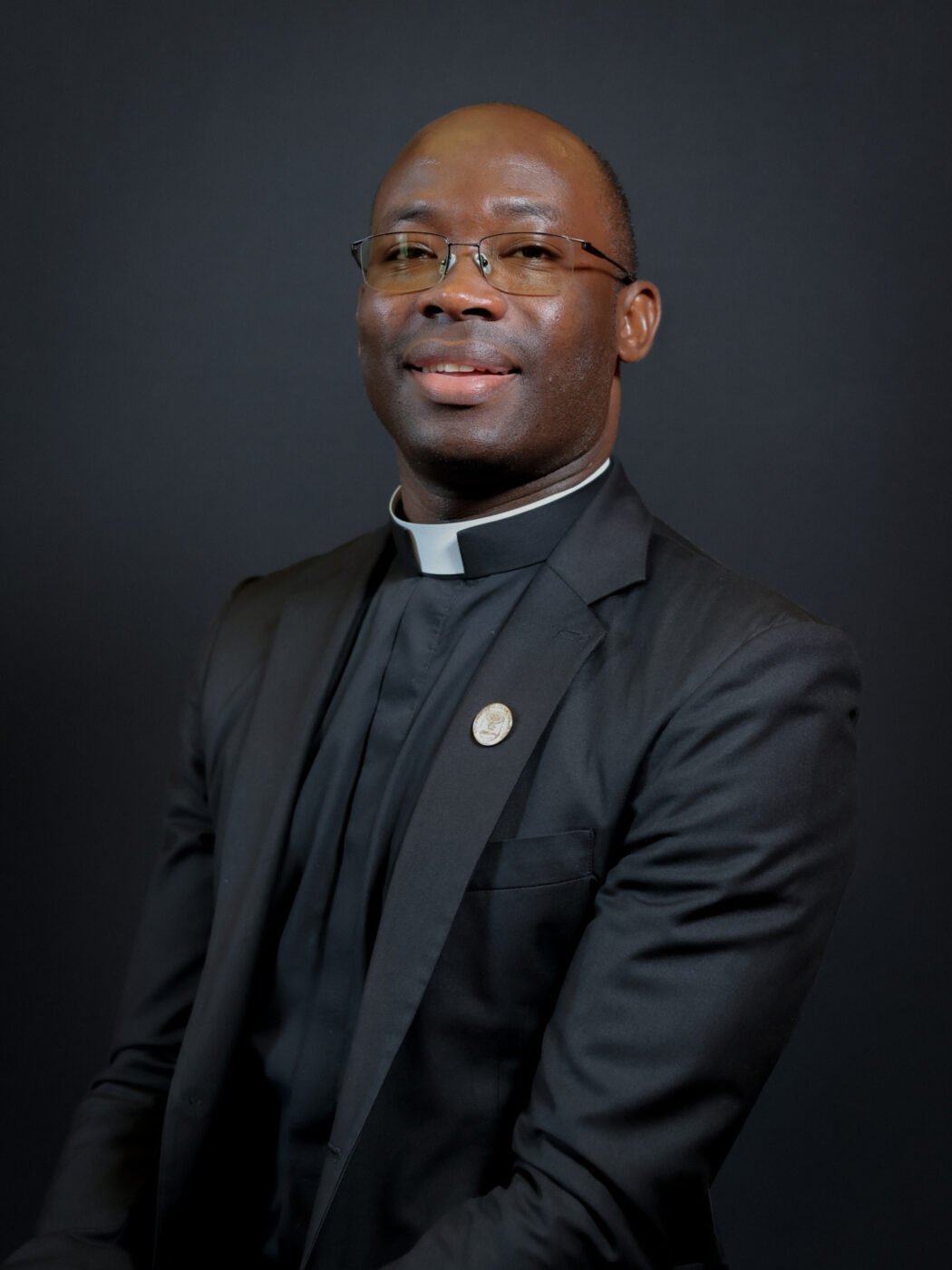
Rev. Stanislaus Achu
St. Joseph Major Seminary, B. Phil., 2015
Saint John’s Seminary, M.Div., 2020; S.T.B., 2020
Boston College School of Theology and Ministry, S.T.L., 2024
Profile See all posts© 2026 All Rights Reserved
Site by 