
At Mass this weekend we begin a five-week series of readings from the First Letter of Saint Paul to the Thessalonians. There is general agreement that this is the earliest letter of Paul and the first book of the New Testament to be written. It was written about 50/51A.D. and addressed to a recently established Christian community in Thessalonica, present day Thessaloniki, a city frequently visited by Christians even today.
Paul along with his coworkers, Silvanus and Timothy, through their preaching of the gospel established a small Christian community in the city and then due to a rising persecution were driven out. Paul with the heart of a pastor was deeply concerned about the fate of this community due to his brief time with them and the ongoing persecution. He attempted several times to go back to them but was unable. Paul sent Timothy to visit the community and Timothy returned with a positive report. These new Christians were remaining faithful even under persecution. This became the occasion for First Thessalonians as Paul puts in writing what he would have preached and taught them if present in person.
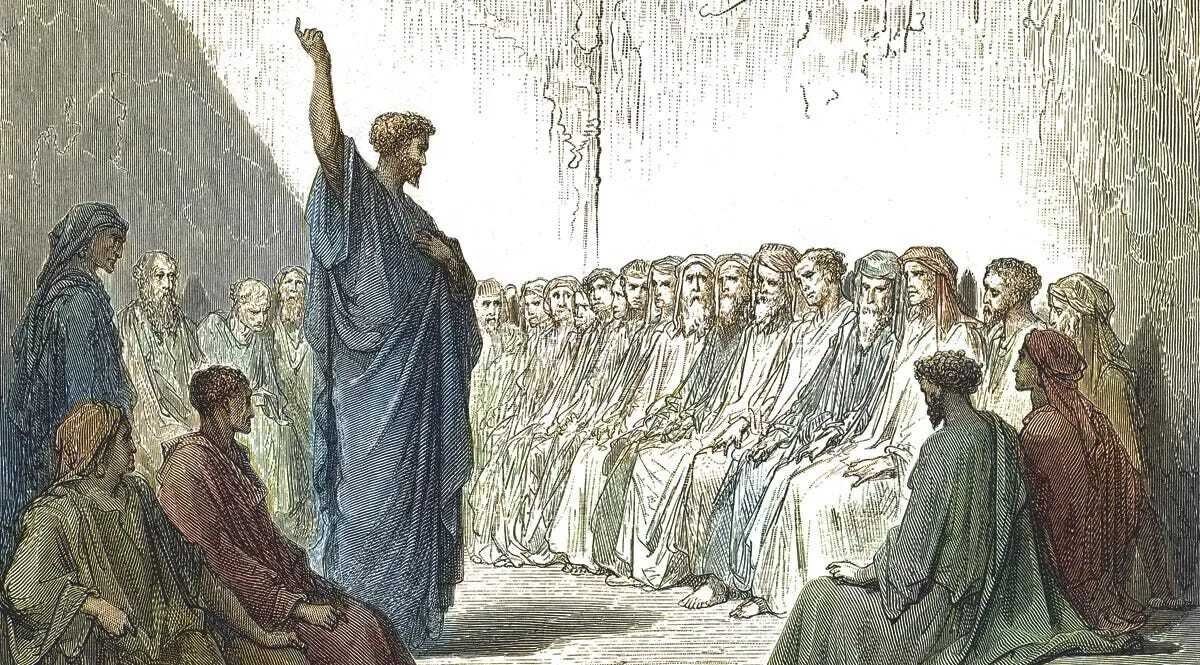
Like any church community the Thessalonians faced problems, gaps in understanding, and misconceptions about aspects of the faith. Yet Paul does not begin with these concerns. He first expresses his love for them. He thanks God for this community and assures them of his prayers. He praises their faithfulness and their commitment to living out the gospel in difficult times. Although he cannot be with them in person, he wants to strengthen his relationship with them. He addresses their problems and questions subsequently in the letter.
Paul’s approach here and in most of his other letters reminds me of a phase I heard many years ago from an evangelical preacher: “Rules without relationship cause rebellion.” Relationships rooted in love must precede rules, obligations, corrections etc. This is important in parenting, family life, in pastoring a parish and in areas of ministry.
This is the way God acts. In the second chapter of the Book of Genesis God provides Adam and Eve with a beautiful garden and gives them all that they needed. They know God’s love. It was only then that he forbade eating from the tree of the knowledge of good and evil. In giving this command God was loving them and protecting them from the deadly consequences of disobedience. In the Book of Exodus God calls Moses to lead His people from the slavery of Egypt to the freedom of the Promised Land. It is only after their flight from Egypt through the Red Sea and upon reaching Mount Sinai that God gives His commandments. Love and relationships come first.
I would encourage myself and you who are reading this article to examine how this plays out or should play out in our lives. If you are a parent and have to correct or punish a child, are you working on your relationship with that child so that what you have to say or do comes from love for the person and not primarily from anger or frustration? If you must speak a difficult truth or offer correction to a friend, is your relationship such that what you say can be heard and hopefully received? If you are a teacher, do you work at forming healthy relationships with your students, so they know that you genuinely care about them even if you must discipline or even fail a student in a course? As a priest, pastor or deacon do the people you are called to serve know and sense that you love them and do you make yourself present and get to know and understand them and their joys and struggles in living a Catholic life? This is crucial when a pastor must make some difficult changes or correct and improve an area of parish life.
Whatever our state in life may be, love and respect for others must come first. Then rooted in love, difficult and painful challenges can be met. In this we are reflecting the way God acts and the way Paul serves the Lord in his life, ministry and writings.
© 2026 All Rights Reserved
Site by 